
For a software company, COGS might include server costs and customer support. For a restaurant, it’s all about the ingredients and kitchen staff. The important thing is to be consistent in how you categorize your costs. Your beginning inventory is the value of the inventory you have at the start of the period. Your purchases during the period are the additional inventory you bought. Finally, your ending inventory is what’s left at the end of the period.
Select your campaign specifics
Ignoring markdowns makes the cost-to-retail ratio lower, resulting in a lower estimate of the actual cost of inventory. There are five ways in which a business can choose to calculate the cost or value of inventory. There is no “wrong” method to use to value your inventory, but there is a “best” way for your business.

What is the meaning of retail accounting?
However, cost accounting can be challenging because it involves many factors that store owners can’t control. Unlike inventory costing, tracking inventory on hand is relatively easy. Essentially, the goal is to keep track of the amount of inventory you have in stock at any given time. This information is vital from the retail accounting perspective as it will provide you with accurate cost and forecast information. The LIFO (Last In, First Out) accounting method considers the last items purchased as the retail accounting first ones sold, making it the opposite of the FIFO (First In, First Out) method.
Income Statement
With Lightspeed Retail, you can get integrated accounting software that simplifies bookkeeping and automates processes to help your business run smoother than ever. That’s a bonus for retailers, who might be worried about having to pay staff to do stock checks while keeping the doors closed. If you have a physical store, offline marketing helps you reach people nearby—especially those who aren’t searching online. It’s different from general marketing, which builds brand awareness. Retail marketing helps stores sell more, whether they’re small local shops or big online brands. It’s about getting products in front of the right people in a way adjusting entries that makes them want to buy.
- If your operating expenses are too high, you might consider cutting back on non-essential costs or finding ways to streamline your operations.
- Tools like Warehouse 15 by Cleverence can help you manage this delicate balance by providing real-time insights into your inventory levels and production needs.
- Synder automates these tasks, making your workflow more efficient.
- It’s different from general marketing, which builds brand awareness.
- Inventory management is one of the biggest challenges for retail businesses.
- Because mixing up these costs can throw off your financial statements.
There are some advantages and disadvantages to using the retail method of accounting for inventory. The primary advantage of the retail method is the ease of the calculation. Gravel and sand retailers who sell materials by the ton often use the LIFO inventory costing method.

While both aim to understand costs and profitability, cost accounting dives deeper into internal operations and manufacturing costs. Retail accounting focuses on selling finished products and understanding margins, markups, and inventory valuations suited to a retail environment. An inventory system provides retail-based businesses a comprehensive account of available items and the monetary value of these inventory items. The cost of the inventory affects actual profit, and inventory in stock is considered an asset for the purposes of taxation and business valuation.

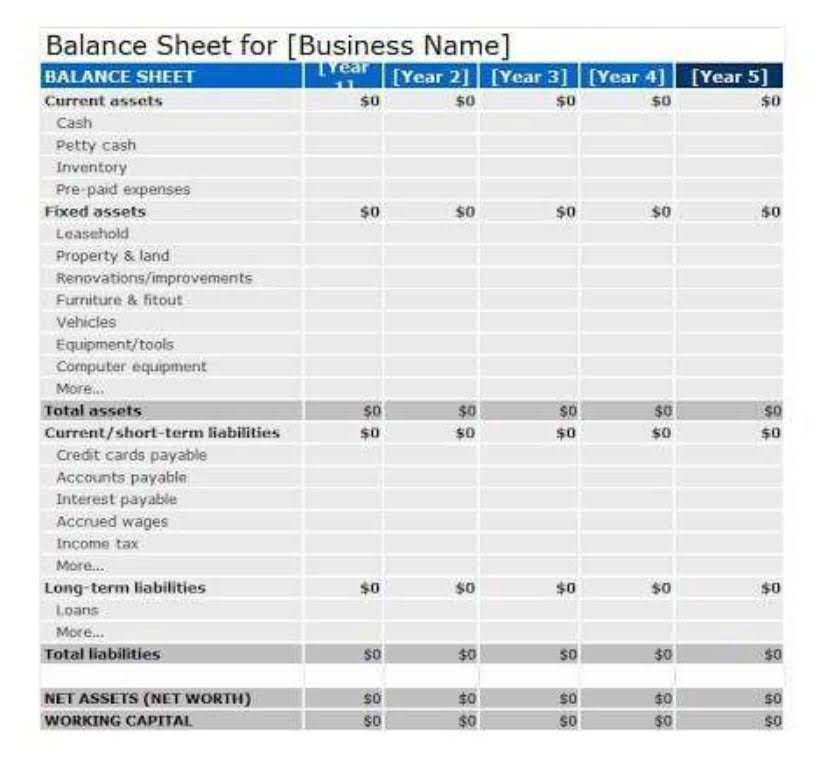
Gross profit is what’s left after you subtract COGS from your revenue. It’s a quick way to see how much money you’re making from your core business activities. If your gross profit is low, it might be time to reevaluate your production costs or pricing strategy. You can read the complete information about the features below, and try the free demo to unlock the full potential. This calculated ending inventory helps maintain an accurate account of stock levels and financial standing without needing a detailed physical inventory count. The weighted average method considers the average cost of all items purchased in different batches if the price in each batch varies.
Retail Accounting vs Cost Accounting
As well as managerial accounting which helps you understand your business’s operations. The retail method is different from the other costing methods since it values the inventory based on the retail price instead of the cost to acquire them. This method helps you get an approximate value for your inventory without having to count the inventory often. The retail method works Retail Accounting for businesses that mark up their inventory consistently and at the same percentage. When doing retail accounting, there are a couple of different inventory valuation methods. The method you choose will depend on your business and what you sell.
Deja una respuesta